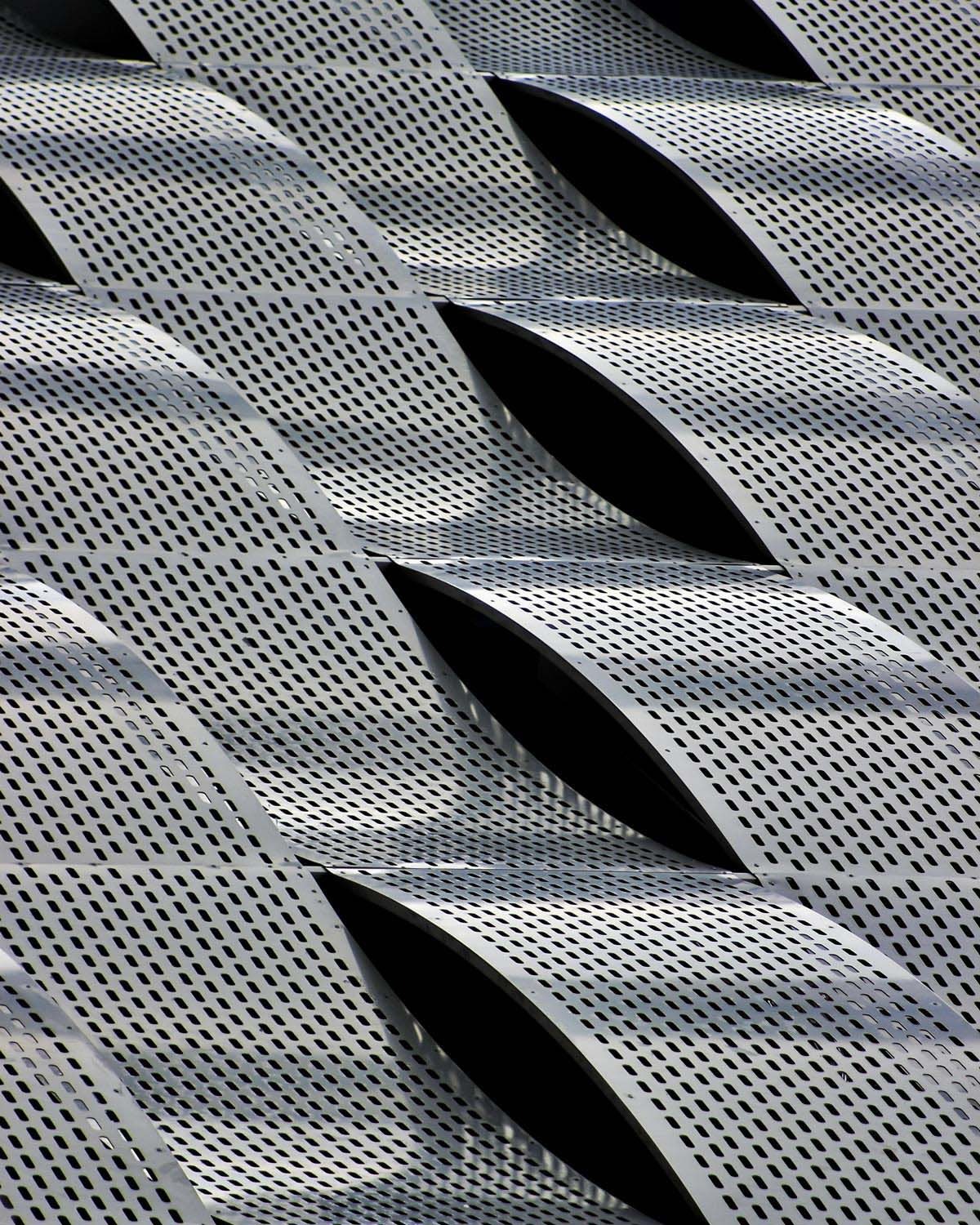
Metal fabrication takes materials and turns them into parts and structures used in buildings, machines, vehicles, shop fit-outs and everyday items. A job could be as simple as one custom bracket or as complex as a welded assembly made for tough working conditions.
Getting the result isn’t just about cutting or welding. It’s also about choosing the materials planning how parts will be shaped and joined and sharing exact dimensions early on. These steps help avoid mistakes and keep the project moving
What does a metal fabrication service include?
Fabrication covers a series of steps that shape and join materials to meet a design or function. The exact processes depend on the job. Common ones include:
– Laser cutting – cuts shapes from digital designs.
– Guillotine cutting – cuts sheet metal to size.
– Brake pressing – bends flat sheets into angles, channels and other forms.
– Rolling and pipe bending – forms curves and cylindrical shapes.
– Welding – joins parts into strong lasting assemblies.
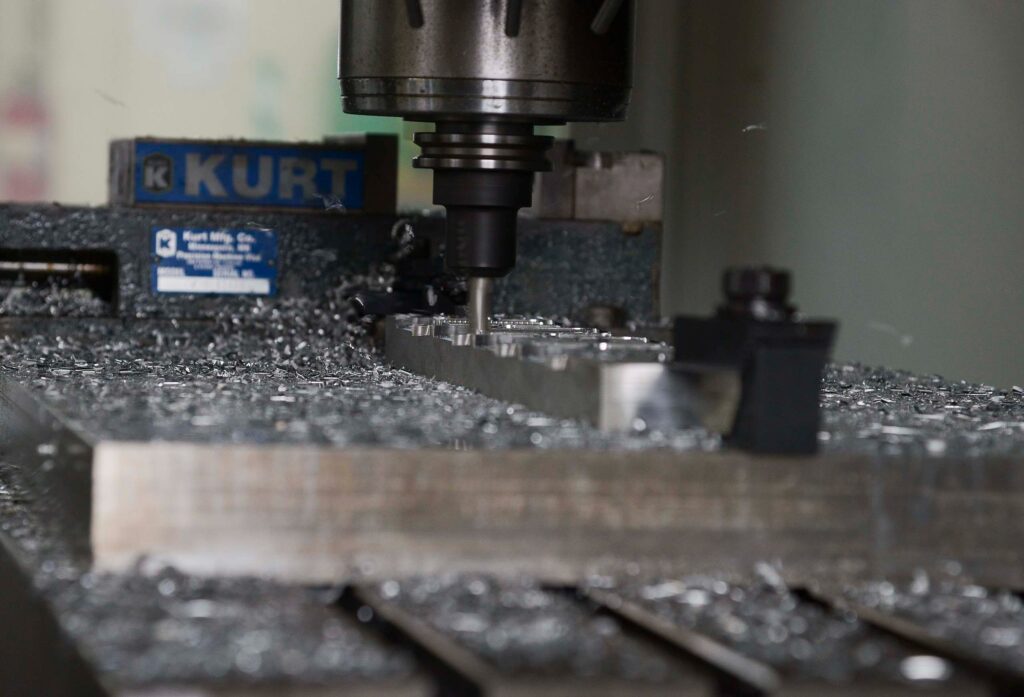
– Routing – shapes materials like timber, acrylic and some non-ferrous metals.
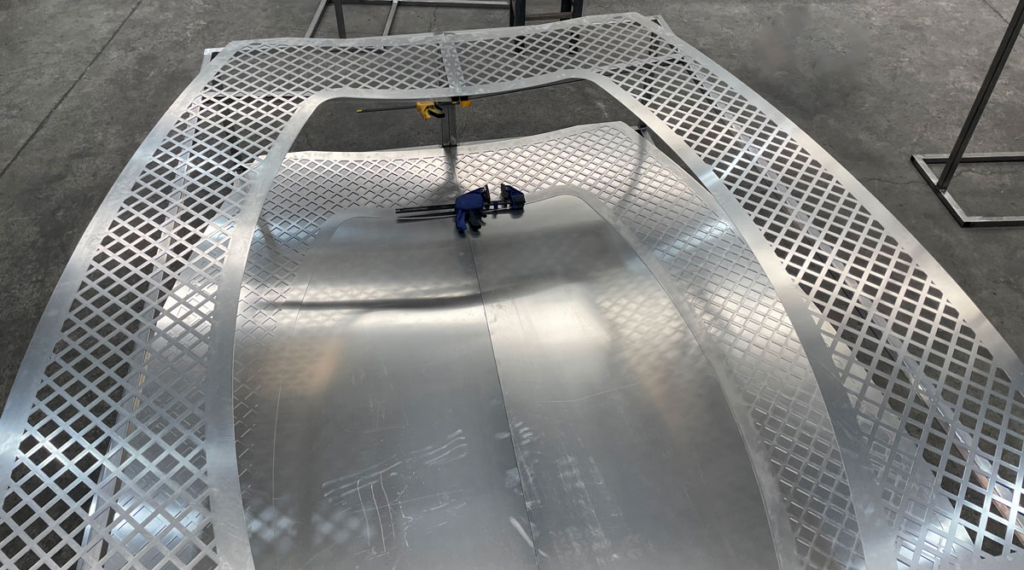
These steps often work together. A sheet might be laser cut folded with a brake press and then welded into a piece. When one provider handles all stages it makes communication easier. Keeps production on track.
Why precision matters
a small mistake in measurements can cause big problems later. A part might not line up with machinery fit into a frame or match parts in a batch. Accurate cutting and forming ensure parts fit right and reduce the need for adjustments on-site.
Precision starts with a brief. If you have a drawing send the file and confirm units, material thickness and any key measurements. If you are using a sketch or an old part explain how it will be used and where it needs to fit. This helps the fabricator spot issues before production starts.
Choosing materials for the job
Different materials work better for needs. Mild steel is common for general fabrication. Stainless steel is chosen when resistance to rust, clean appearance or easy cleaning is important. Aluminium is useful when weight needs to be low. Timber and acrylic can also be. Shaped for design purposes.
The material choice affects more than looks. It impacts strength, weight how long it lasts how it finishes, how it’s made and how much it costs. It helps to describe the environment the finished item will face—like weather exposure, handling, heavy loads or contact with tools. That way the fabricator can suggest the material.
Fabrication for industries
Metal fabrication supports many fields. Builders and designers may need screens, shop-fit parts or custom fixtures. Transport, construction, manufacturing and mining companies might need equipment parts, trailer pieces, repairs or upgrades. Property owners often need gates, railings or other custom items.
Each industry has goals. A decorative screen might focus on pattern and finish. A machine part might need dimensions, strength and consistency. A repair job might need to fit existing equipment so measurements and details about the part are key.
How an integrated service can help
When cutting, forming, bending and welding are planned together the design can take into account how the part will actually be made. This early planning can reveal improvements—like changing a bend simplifying a joint or adjusting a piece to make assembly easier.
For customers this means hand-offs between suppliers and a clearer path from design to a finished product. It also gives the fabricator a chance to ask questions discuss material options and see if the job is a one-time piece or part of a run.
Di Metal Design is a Melbourne fabrication business, in Thomastown. It offers laser cutting, welding, guillotine cutting, brake pressing, routing, rolling and pipe bending. The company says it has been operating since 1980 and works with steel, stainless steel, aluminium and also cuts timber and acrylic when needed. Di Metal Design can handle everything from custom parts to larger fabrication projects.
What to include when requesting a quote
A good quote request gives the fabricator the information needed to understand the job and spot any details. Try to include:
– A drawing, sketch, template or sample part.
– The material. Thickness, if known.
– The quantity. Whether more orders are likely.
– Key measurements, tolerances and finish preferences.
– How and where the finished item will be used.
– Your preferred timeline and delivery location.
You don’t need to have every detail figured out before sending a request. Just explain the purpose of the part and what you already know. That gives the fabricator a starting point.
A better result begins with a clear brief
Good metal fabrication combines the materials, accurate processes and a real understanding of how the finished piece will be used. Asking questions early and sharing design info helps avoid mistakes and make the right decisions. Whether the job is one part or a large assembly a well-planned fabrication process turns an idea into a part that works exactly as it should.